Gut renovations
With drywall off, we can spray exterior walls, seal every top plate and fix the rim joists in one visit. Trimming the foam flush means your drywaller starts the next day.
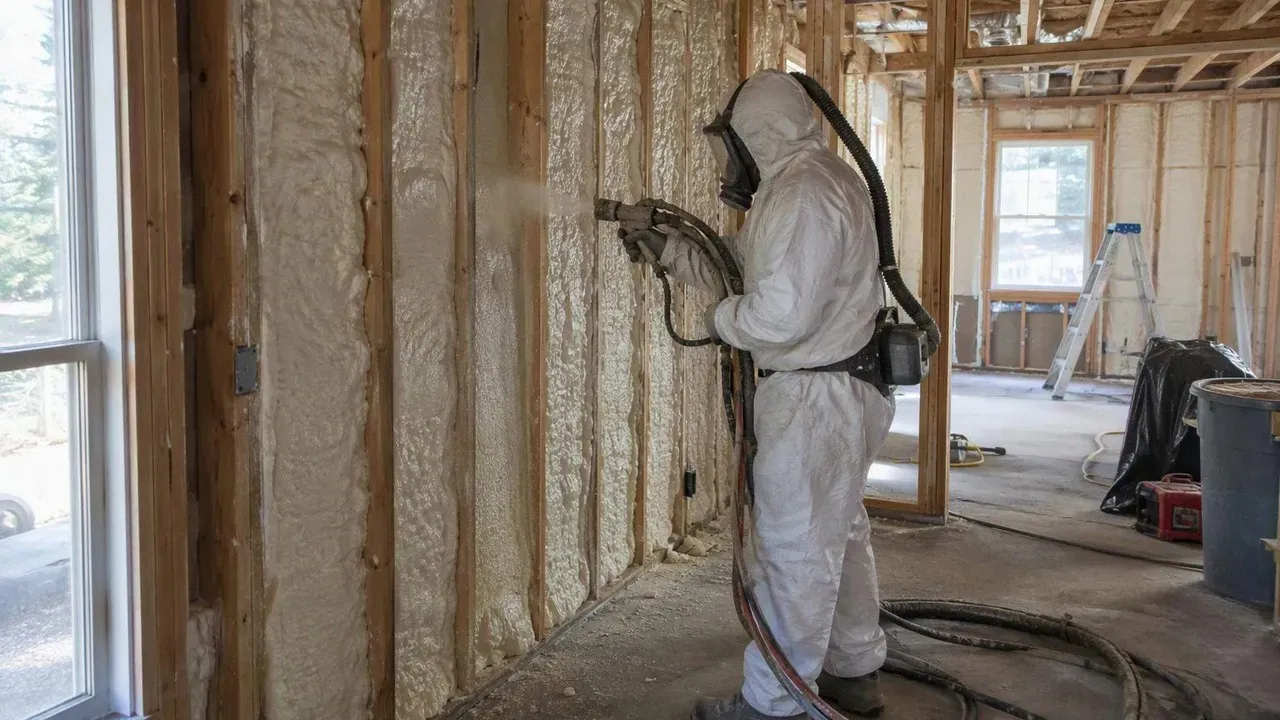
For homeowners
Super Sprayers insulates and air seals houses across Guelph and the surrounding towns, and homeowners make up most of the 800-plus jobs we have completed since 2018. We are a spray foam company first, so the crew working in your basement or attic sprays foam every working day rather than a few times a season. Our installers are CUFCA certified, follow the CAN/ULC-S705 installation standard and carry WSIB coverage and liability insurance on every job.
Heat rarely leaves a house through one big hole. It slips out through dozens of small gaps at the rim joists, top plates, pot lights, attic hatches and plumbing chases, and cold outside air takes its place at floor level. Spray foam fills those gaps and insulates in the same pass, which is why a single day of work in the right spot can change how a room feels all winter.
This page covers the whole house, from century homes near downtown Guelph to newer builds in the south end. You'll see which areas pay back first, how to choose between closed and open cell foam, what affects the price and what daily life looks like while we work. Each part of the home also has its own detailed page if you want to go deeper before booking an estimate.
These are the spots we open up most often in Guelph homes, roughly in order of how quickly owners notice a difference.
| Area | Typical symptom | Foam we use | Learn more |
|---|---|---|---|
| Rim joists | Cold floors, drafts at baseboards, mice in fall | Closed cell | Rim joist insulation |
| Basement walls | Damp smell, cold finished rooms | Closed cell | Basement spray foam |
| Attic or roofline | Ice dams, hot bedrooms in July | Closed cell or blown-in | Attic insulation |
| Rooms over garages | A bonus room that never warms up | Closed cell | Between-floor insulation |
| Cathedral ceilings | Frost or staining on the ceiling | Closed cell | Roof insulation |
| Crawl spaces | Frozen pipes, musty air upstairs | Closed cell | Crawl space insulation |
In an Ontario house, closed cell foam does most of the work. It gives about R-6 per inch, blocks vapour at roughly 2 inches thick and shrugs off the moisture that sits against concrete and cold sheathing. Anywhere below grade, against a roof deck or in a shallow 2x4 wall, it is our default.
Open cell is softer, cheaper per inch and better at soaking up sound. It suits interior walls, floors between storeys and deep above-grade cavities where a separate vapour barrier goes on afterward. The open cell vs closed cell guide lays out the trade-offs side by side.
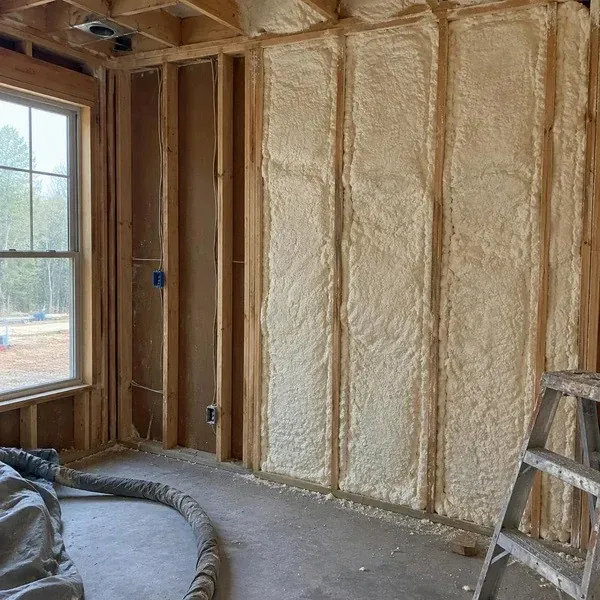
The best time to spray foam is when the framing is already exposed. How we approach the job depends on how open the walls are.
With drywall off, we can spray exterior walls, seal every top plate and fix the rim joists in one visit. Trimming the foam flush means your drywaller starts the next day.
New walls, a cold floor over a crawl space and a roof with no attic are all common in additions. We treat each assembly separately so the new space matches the old house.
If the drywall stays, we look at the attic, rim joists and basement first. For empty wall cavities, injection foam fills them through small holes.
This is the question homeowners ask most. Here is how a typical residential day runs.
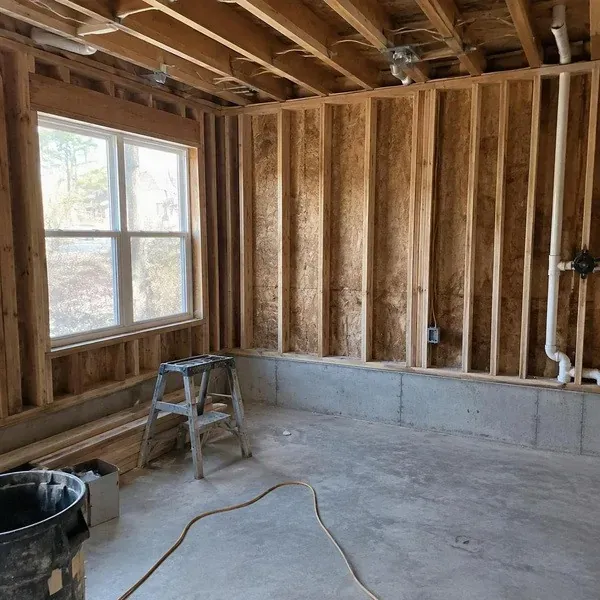
Spray foam is priced by the board foot, so a thicker layer or a larger area costs more. The rest of the price comes from the work around the spraying:
The spray foam cost guide gives current price ranges for basements, attics, garages and whole rooms.
Spray foam is our main trade, not a side service.
Every job gets daily field tests and a written record.
No liability lands on you if someone gets hurt.
We book seven days a week, 9:00am to 6:00pm on Sundays.
Yes, everyone including pets leaves during spraying and stays out until the manufacturer's re-occupancy time passes, commonly 24 hours for closed cell. For a rim joist job we can often start early so you are back the next day.
Start where air leaks the most, which is usually the rim joists and the attic floor. Basement walls come next, then walls and rooms over garages when you renovate.
Sealing air leaks almost always reduces heating use, but the amount depends on how leaky the house was to begin with. A home energy audit shows where your house loses heat before you spend anything.
Yes. Single rooms, one basement wall or a single cold bonus room are common jobs, subject to our minimum job size.
Free estimate
Tell us which rooms bother you most and roughly how big they are. Photos help, and we'll suggest where to start.